Stoneware Tableware: The Durable Choice for Everyday Dining
Stoneware Tableware: The Durable Choice for Everyday Dining
Stoneware is the workhorse of the ceramic world. It is dense, chip-resistant and forgiving in daily use, which is why restaurants, hotels and retail buyers keep coming back to it. Yet "stoneware" covers a wide range of quality, from budget tableware that chips in a season to heavy-duty pieces that survive years of commercial dishwashing. If you source dinnerware, mugs or crockery in volume, knowing what makes good stoneware — and what to ask your supplier — will save you replacements, complaints and wasted sampling rounds.
What stoneware actually is
Stoneware is a high-fired ceramic made from non-refractory clays and minerals, fired at roughly 1,200–1,300°C. At that temperature the body partly vitrifies: it becomes dense and strong, with a water absorption rate usually below 3%, and often below 1% for well-made ware. That is the key difference from earthenware, which fires cooler and stays porous, and from porcelain, which fires hotter and becomes fully vitrified and translucent.
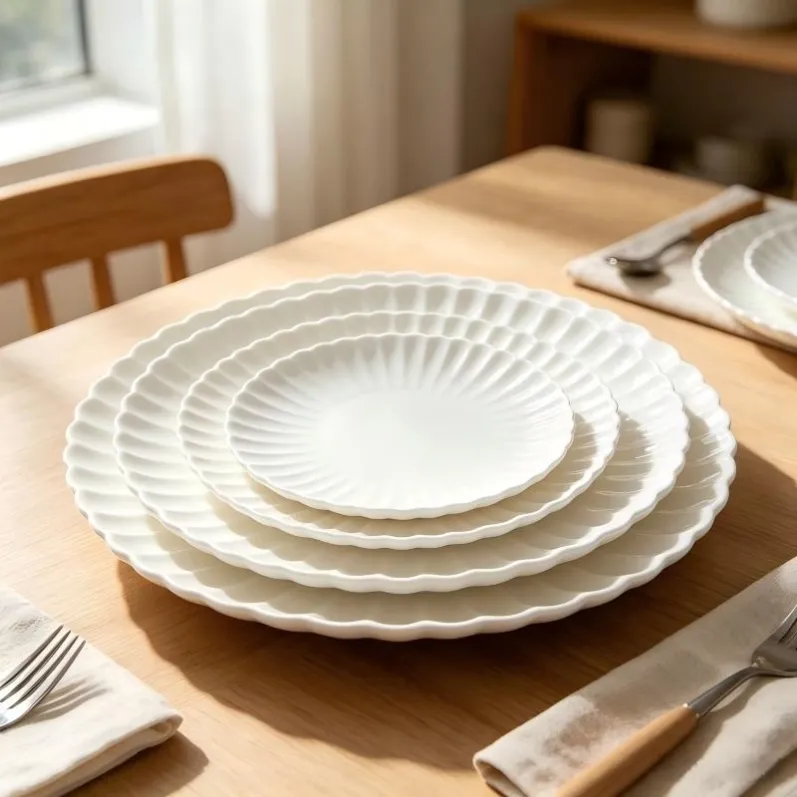
Stoneware is naturally opaque and slightly heavier than porcelain. Its colors tend toward warm, earthy tones — cream, speckled grey, sage green, rustic brown — and reactive glazes that vary subtly from piece to piece are part of its appeal. That handmade, artisanal look is exactly why stoneware has become the default choice for modern casual dining, farmhouse-style retail ranges and coffee shop tableware.
Why wholesale buyers choose stoneware
- Durability. A fully matured stoneware body resists chipping and scratching better than most earthenware, an important factor for hotel and restaurant programs where replacement cost is a real line item.
- Dishwasher and microwave suitability. Stoneware handles commercial dishwashers and normal microwave use well, provided the glaze is properly formulated and the decoration is underglaze or in-glaze.
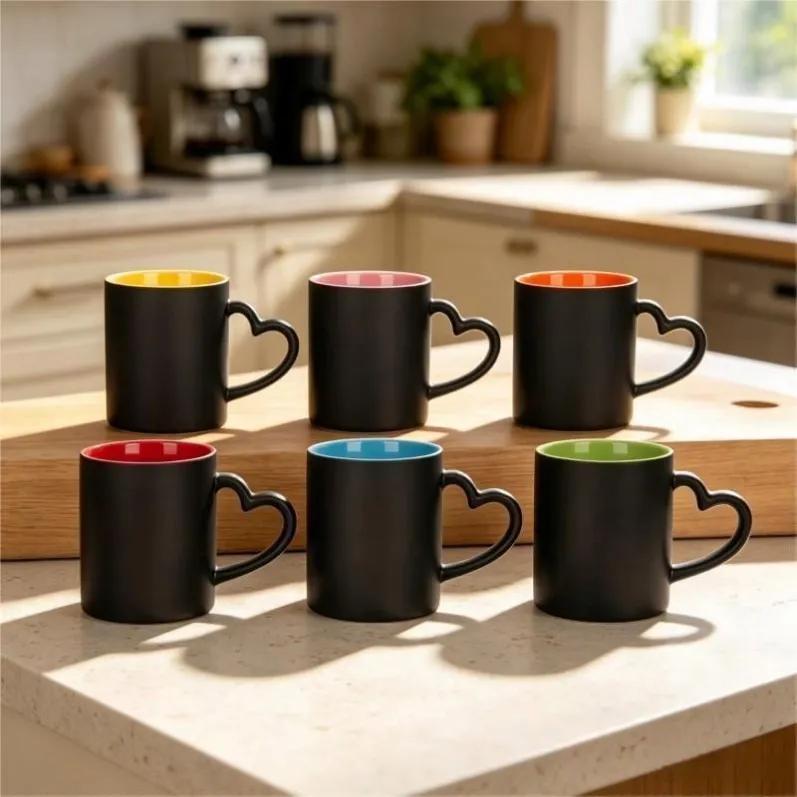
- Design flexibility. Matte, speckled, reactive and two-tone glazes all work well on stoneware, and the body takes embossing, rim shaping and colored clay bodies without a big cost increase.
- Value positioning. Stoneware sits between budget earthenware and premium porcelain. It gives buyers a quality feel at a mid-range price point, which suits everyday retail, gift sets and hospitality ranges.
What to check before you order
Not all stoneware is equal, so a specification sheet should cover the points below. A supplier who answers them clearly is usually one you can trust with a repeat order.
- Water absorption. Ask for the figure. Well-fired stoneware should be below 3%; below 1% is better for catering use, where hygiene and stain resistance matter.
- Firing temperature and glaze maturity. Underfired stoneware looks fine on the shelf but absorbs water, stains and crazes over time. Ask how the factory verifies firing — kiln temperature logs and absorption tests are standard.
- Chip and thermal shock resistance. Request the test method and results, especially for plates and bowls going into restaurants. Sudden temperature changes can still crack any clay body, so care instructions should mention avoiding direct flame and extreme thermal shock.
- Decoration durability. Decals and on-glaze decoration fade faster in commercial dishwashers than underglaze decoration. If your design is printed, confirm the decoration method and its dishwasher rating.
- Food safety. Buyers supplying the EU or US usually ask for lead and cadmium release test reports. Make this a standard line in your purchase order.
- Weight and stacking. Stoneware is heavier than porcelain, which affects freight cost and shelf handling. Check piece weight, stackability and the packing method — EPE protection and divided cartons reduce breakage in transit.
- Glaze consistency. Reactive glazes vary from batch to batch by nature. Agree on an acceptable variation range against a sealed sample before bulk production starts, so a normal variation is not treated as a defect.
Where stoneware fits in a product range
Stoneware works best where durability and a casual, natural look matter more than a fine, translucent body:
- Everyday dinnerware sets for retail and e-commerce
- Hotel, restaurant and café tableware, including plates, bowls and mugs
- Coffee shop mugs and serving pieces in matte or speckled glazes
- Gift sets and seasonal ranges where a rustic, hand-crafted feel adds value
For a formal, fine-dining look at a higher price point, buyers usually step up to porcelain or bone china. For the lowest price point, they step down to earthenware — accepting more chipping and shorter service life. Many range plans use stoneware as the everyday core and add a porcelain line for premium occasions.
Sourcing stoneware from Dehua
Dehua, in Fujian, China, is known as a World Ceramic Capital, with a complete supply chain from clay preparation to export packing. Our factory is located in Chengdong Industrial Zone, Xunzhong Town, Dehua, Quanzhou, Fujian, China. We produce stoneware dinnerware, mugs, bowls and plates for wholesale buyers, with OEM/ODM bulk production — custom colors, sizes, glazes and packaging are available on request. We have been exporting since 2017 and now supply buyers in more than 50 countries.
Browse our stoneware and dinnerware collections at https://www.zhentaier.com/products or send an inquiry with your specification — body type, sizes, glaze finish, decoration and quantity — and we will reply with a quotation and sampling plan. For inquiries, contact us at harry@zhentaier.com or +86 13675915352.